
Written by Dr. Anne Wolfe, PT, DPT, CLC
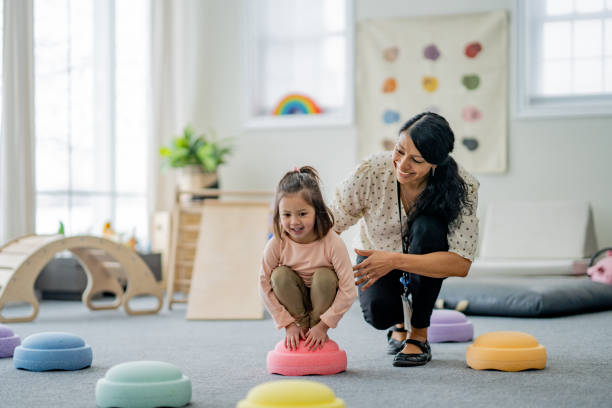
A strengths-based approach builds gross motor skills around what matters to each child: their interests, goals, and what they need to feel ready to participate. In pediatric physical therapy, we can work toward meaningful movement goals while making room for a child’s interests, choices, and needs.
That can look different from child to child and even from session to session. Rather than expecting the child to fit into a predetermined plan, therapists can consider how the plan can flex to support the child in front of them.
Here are three ways to put that approach into practice.
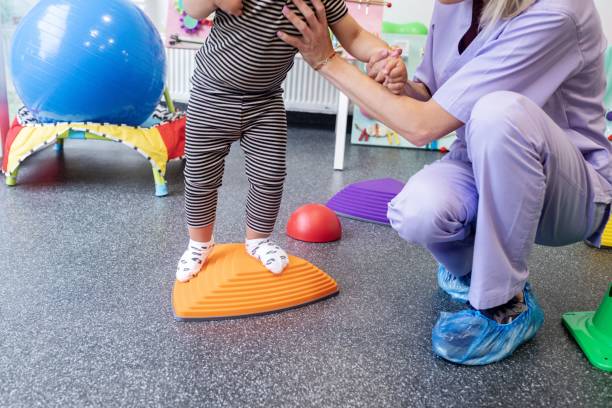
A favorite toy or activity doesn’t have to wait at the end of a task as a reward. Instead, it can be integrated into the activity to encourage engagement and participation.
Layer their interests with your ideas for gross motor movements to build collaborative treatment interventions they are excited to engage in. By incorporating what already motivates the child, movement can become part of an activity that feels meaningful to them rather than something they need to complete before getting to what they enjoy.
Remember: they should be the center of this session.
Shifting your focus to prioritizing client participation and working toward goals that are meaningful to them helps build intrinsic motivation. Your plan for each session should be centered on functional activities for their life outside of the clinic, not a checkbox on a list.
This shift can help us think beyond what we want to accomplish during a single session and consider how the skills we’re addressing support the child’s participation in the activities and environments that matter to them.
Children don’t arrive at every session with the same energy or capacity. A child who is ready for a challenge one day may need more time to settle and connect the next.
Therapists can pay attention and adjust: Would a familiar activity help them engage? Do we need to focus on regulation first? Are they ready to try something harder?
Having a fluid plan is part of responding to the child in front of us. Over time, that attunement can build trust and connection, making it easier for a child to participate in more challenging activities.
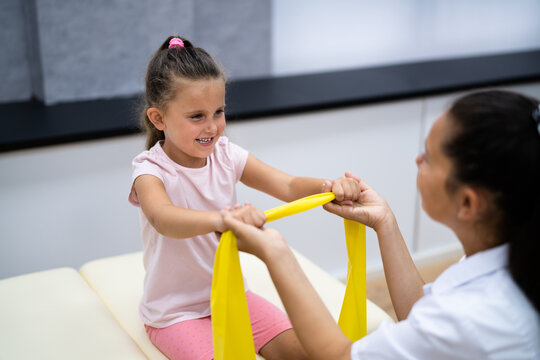
A strengths-based approach doesn’t require a perfect session. It asks us to stay curious about what matters to each child and use that knowledge to make therapy more engaging, relevant, and supportive.
For pediatric physical therapists, this also means considering how regulation, engagement, and motor learning work together. Understanding a child’s sensory profile, recognizing what helps them feel regulated and ready to participate, and creating intrinsically motivating opportunities for movement can all shape how we evaluate, set goals, and approach treatment.
These ideas are explored more deeply in Ready to Move: The Role of Regulation in Pediatric Physical Therapy, a course from Dr. Anne Wolfe, PT, DPT, CLC. The course offers a strengths-based, neurodiversity-affirming framework for connecting regulation, engagement, and motor learning with evaluation, functional goal writing, and play-driven session design.
If you’re looking for practical ways to bring these principles into your own pediatric PT practice, learn more about Ready to Move: The Role of Regulation in Pediatric Physical Therapy.
(Check your state’s guidelines for Continuing Education Credit, this course may be eligible for Type 2/Type B credit in many states.)
This mini-course is comprised of 4 lessons aiming to define the reflective practitioner, discuss exiting “productivity” mode to journey inwards, and review the importance of